
TCC’s BLOG
A mental health blog rooted in therapy, for the moments you need to feel less alone.

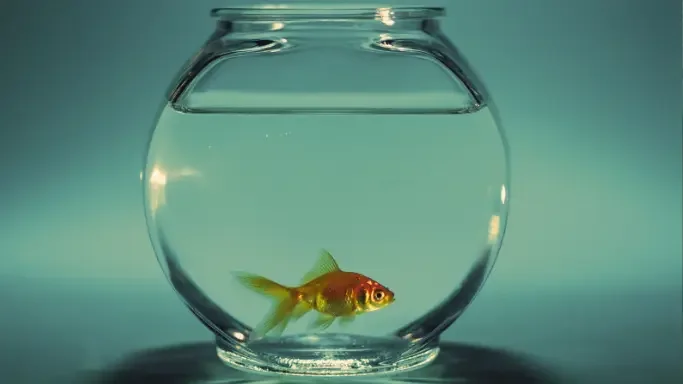
Help! I Have an Attention Span of a Goldfish: Brainrot and What to Do About it?
Have you ever caught yourself thinking, “I swear I have the attention span of a goldfish?” Because honestly, same. The internet has dubbed this phenomenon "brainrot."
So, if you've resisted the urge to click away (no small feat), let's unpack what people mean when they talk about “brainrot,” why focusing feels so much harder these days, and what you can do to rebuild your attention span—without needing to throw your phone into the nearest body of water.

Why Am I Both Anxious and Avoidant Attachment in Relationships?
Maybe you relate to anxious attachment. You overthink, worry about distance, and feel things deeply in relationships. Then avoidant attachment also feels familiar in a different way. You value space, feel overwhelmed when things get too close, and sometimes pull away right when someone starts to matter. So, it can feel confusing. How can both of these things be true at the same time? Let’s find out in this blog post!

EMDR vs ART Therapy: Which one Is Right for You?
At first glance, EMDR and ART can look almost identical. Both use eye movements, both help process distressing memories, and both are designed to reduce emotional weight connected to past experiences. So naturally, a lot of people end up wondering:
What’s actually the difference?
This guide will break down both approaches in a clear, straightforward way — so you can better understand how they work, what makes them different, and what might feel like the best fit for you.

I Don’t Even Know Who I Am Anymore: Sense of Self & Why So Many Gen Z Feel Lost?
If you’ve been feeling lost in life lately or catching yourself thinking “I don’t even know who I am anymore,” you are definitely not the only one.
This article breaks down why this happens, what a sense of self actually is, and how you can start reconnecting with yourself in a more real and grounded way.

“I Can’t Feel It in My Body” — Why Emotional Disconnect Happens & How to Reconnect With your Body?
Most of us have been there. You’re sitting in therapy, the conversation is getting deeper, you’re talking about something that actually matters — and then your therapist asks:
“Where do you feel that in your body?”
And your mind goes completely blank.
In this post, we’ll explore what it really means to feel disconnected from your body, why it happens, and how approaches like somatic therapy can help you gently reconnect — at your own pace, in a way that feels safe.

Why Do I Stay Up Until 3AM Scrolling? Mental Health & Sleep Hygiene.
There is a specific kind of tired that shows up late at night. Not just physical exhaustion, but the type where your brain feels full, your body feels drained, and yet you still cannot bring yourself to go to sleep. Instead, you reach for something easy that does not ask much of you. Scrolling, watching, tapping through content that feels low effort and oddly comforting. Time passes without you fully noticing, even though part of you is aware you would rather be asleep.
In this post, we will break down why this pattern happens, including the mental and biological factors that keep you up, what people mean by “revenge bedtime procrastination,” and how sleep and mental health are closely connected. We will also walk through practical, realistic ways to support better sleep without expecting perfection.

Internal Family Systems Therapy Explained: Understanding Your Inner Parts
Have you ever felt like there are multiple versions of you living inside your mind — each one wanting something different, especially when it comes to healing?
This is exactly what Internal Family systems (IFS) therapy is built on. The idea that every part of you has a role, and that healing begins not by pushing those parts away, but by learning to understand them with curiosity and compassion.
By the end of this reading, you’ll have a better understanding of what IFS therapy is, how it works, who it can support, and what it might feel like to experience it in therapy.

Why Some Friendships End After Having Kids and How to Cope with It?
Many adults experience a kind of grief when friendships change after big life transitions like parenthood.
In this article we’ll explore why friendships can shift when friends have kids, why it can feel so lonely when it happens, and what can help when you’re navigating these changes.

Help! My Boyfriend Is Emotionally Unavailable. Could Culture Be Part of the Reason?
In cross-cultural and collectivist relationships, this is surprisingly common. You can see his love in actions, but the emotional intimacy you crave feels out of reach.
This isn’t about blaming him or his culture. It’s about understanding the complex mix of upbringing, culture, and emotional capacity.
In this post, we’ll explore what emotional unavailability really looks like, how culture shapes it, and most importantly, what you can do when you love someone who struggles to meet you emotionally.

Why Am I So Awkward Socially? Understanding Social Anxiety
If you have ever typed “why am I so awkward socially” into Google, you are not alone.
Feeling nervous in new settings is completely human. Most people experience social discomfort sometimes. But when that discomfort becomes intense, constant, or starts shaping your decisions, it may be more than shyness. It may be social anxiety.
Let’s break down what social anxiety actually is, why so many Gen Z adults experience it after COVID, and how to overcome social anxiety in realistic, manageable ways.

My Partner Never Initiates First — Understanding Responsive Desire
“Why don’t they want me?” “Do they still find me attractive?” “Is something wrong with me?” “Is our spark gone?” “Is our relationship over?”
Suddenly, you're spiraling.
But what many people don’t realize is that sexual-desire and arousal aren’t the same thing. For some people, sexual-desire doesn’t show up before intimacy — it shows up because of it. Understanding this difference can completely change how we interpret our sexual relationships and understanding of intimacy entirely. In this post, we’ll explore the many nuances of sexual desire and how they can show up in sexual relationships.

I’m Ruining My Relationship Because of My Anxious Attachment Style. How Do I Make It Stop?
If you’ve ever felt like your emotions escalate faster than you want them to in relationships, you’re not alone. Maybe a delayed response sparks panic, or a small disagreement suddenly feels like a threat to the entire relationship. Before you know it, you’re overwhelmed with fear, reaching for reassurance, and later feeling ashamed or frustrated with yourself.
Understanding what’s happening beneath the surface can be the first step toward change, and this post will help you recognize these patterns, make sense of your reactions, and begin finding ways to respond that feel calmer and more supportive of the relationship you want.

Is It Normal for My Parents to Tell Me all Their Problems? (Parentification Explained)
As a child it may have helped you to feel close to your parents—knowing the innerworkings of their emotional lives. However, you might also experience the challenges that come with this upbringing: the guilt you feel resting, the difficulty asking for help, and deprioritizing yourself in relationships.
This dynamic —parentification— can breed a sense of closeness and independence that doesn’t actually feel safe to the nervous system.
In this post, we’ll explore what parentification is, how it impacts adulthood and how therapy can help you navigate parentification trauma.

PMDD vs Depression: Understanding the Difference and What to Do Next
If you have days or weeks every month where you suddenly feel unlike yourself, you are not alone. Many people know what PMS feels like, but PMDD is different. PMDD can feel confusing, unpredictable, and sometimes discouraging, especially when the symptoms mimic depression.
Symptoms often appear 1 to 2 weeks before your period and fade once it starts, making PMDD feel like a monthly identity crisis. Because PMDD shares many features with depression, people are often misdiagnosed or left wondering what is happening. In this blog, we will explore PMDD vs depression, help you understand the difference, share practical strategies for managing PMDD mood changes, and provide insights from a therapist.

Emotion-Focused vs Emotionally-Focused Therapy — Is There a Difference?
If you’ve spent some time looking into therapy, chances are you’ve heard the acronym “EFT”. To the surprise and confusion of many - including some therapists and published articles – EFT could actually stand for two completely different things: Emotion-Focused Therapy and Emotionally-Focused Therapy. If you’re still unsure of the difference and have been thrown off by conflicting searches that sometimes even imply they may be the same thing, look no further, this article will clarify the difference as well as help you understand which one is best for your needs.

Why Do I Feel So Attached to My Therapist (And Is It Normal?)
When you first start therapy, you might think it’s all about learning coping skills or talking through your worries. However, sometimes you might find yourself thinking about your therapist between sessions, feeling deeply comforted by their words, and maybe even missing them when the session ends. These are all signs that you’re developing an attachment to your therapist.
If you’ve ever caught yourself wondering why you feel this way, you’re not alone. Feeling attached to your therapist is one of the most common (and most misunderstood) parts of therapy. It’s important to note that it’s not about romantic attraction. Rather, it’s about connection, trust, and the natural human response to being understood in a safe space.

ADHD in Black Women: Why It’s Overlooked and How to Get Help
When you think of ADHD, who typically comes to mind?
Is it a young white boy who just can’t seem to sit down?
While ADHD is typically depicted this way in both media and clinical settings, it affects a much wider demographic than just little white boys.
That misconception has shaped the way people discuss ADHD to the point that women, especially Black women, are severely underdiagnosed.
in this post, we’re going to go into why, as well as how to identify traits of ADHD in yourself and how to best get support.

Why Your Confidence Drops When the Weather Changes?
If you’ve ever caught yourself thinking, “Why do I feel so off when the seasons change?” this post is for you. Let’s explore why your self-esteem might fluctuate with the weather, what you can do about it, and how therapy can support you when it’s more than just a “bad day.”

“Top-Down” or“Bottom-Up” Therapy: What’s the difference?
There are hundreds of approaches to choose from and, while that sounds daunting, there is a way to simplify the process and that is by understanding what bottom-up and top-down therapy is.
In this post, we’re going to be breaking down what they are, who they are best suited for, examples of approaches that fall under these two types and the way to make sure you’re getting the right therapy for you.

Why am I always late? ADHD Time Blindness Explained
You’ve got three alarms set. Your calendar is full of reminders. You start getting ready early... and still, somehow, you’re running late. Again.
If this sounds familiar, you're not alone! It’s not because you don’t care or aren’t trying hard enough. This could be a sign of something called time blindness, a common experience in people with ADHD. In this post, we’ll explore what ADHD time blindness actually is, how it shows up in daily life, how it’s different from just being disorganized, and what you can do to manage it